Argue for the invisible
Every AI product has someone in the room pushing for a mascot, a chat window, a personality. The work that earns its keep is usually invisible. A short parable about which voice to listen to.
ByJames Dodd
Spotify queues the next song and you keep listening. Your email quietly bins the message about the parcel you didn't order. Your phone finishes the word before you do. None of them have a name to you. That is not a coincidence. It is what good AI looks like.
There is a voice in every AI product meeting that wants the opposite of this. It can come from anywhere in the room, but it usually comes from whoever the room can't easily say no to. The shape of what it asks for doesn't change, because what it asks for is never quite what it actually wants. Underneath is envy of what someone else shipped, and the dread of being the team that didn't move.
The voice wants the product to succeed. That part is honest. What it asks for is rarely the thing that delivers it, and what it tends to leave behind is another excuse to ask for the next one.
It is easy to picture the meeting.
Someone sketches a character. Someone proposes a new homepage. Someone says the product needs more personality. The product, meanwhile, has a slow checkout, an import that quietly mangles half the data, a login flow where roughly one in twenty people give up. None of those problems make a slide. The voice in the room is asking for something with teeth, something that photographs well. The login flow is asking for an engineer.
The thing that gets the team excited and the thing that fixes the product are almost never the same thing.
This voice has moved into AI. It wants a chatbot on the homepage. It wants the assistant to have a name, maybe a mascot, It wants the model to write in the users voice, maybe even be them. It wants the thing to be visible enough that a journalist could write about it.
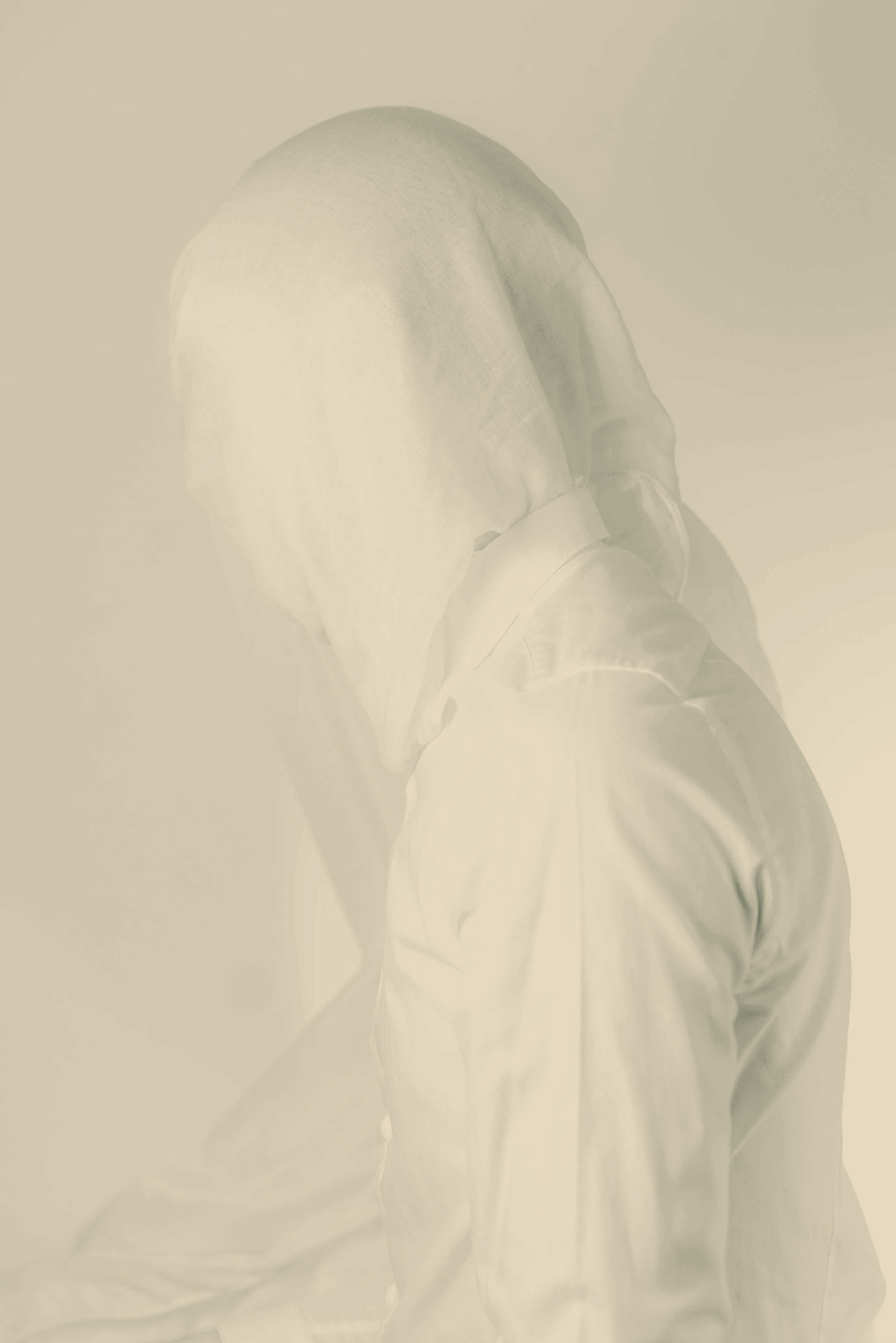
The work that makes an AI product worth using is mostly the opposite of sexy. It is the chair you are sitting in while you read this. You are not thinking about the chair. The chair is doing its job. If the chair had a name, a mascot, a wink for the camera, you would get up and stand.
The best AI in your life is already like this, and you have stopped noticing. The autoplay, the spam filter, the word your phone finished for you a paragraph ago. None of them have a mascot. None of them ask how they're doing. They are the chair, not the mascot.
The voice in the room is not malicious. The people who carry it are doing the job they are paid to do, which is mostly to make the product visible. A flag is easier to point at than a login flow. You do not need to silence it. You need to know which voice it is when it speaks, and you need someone in the room whose job is to argue for the chair.
The chair you are still sitting in has not asked anything of you while you read this. That is the bar.
Written by
James Dodd
Founder of moralai.co. A design led problem solver, with a photojournalism background, who has spent the last decade building software, brands and products for small businesses and the third sector.
If this got you thinking, let's talk.
A short call, no prep, no sales deck. Bring a question, a half-formed idea, or just your thoughts, and we'll help you find what actually works, AI or not.